
One of the best lessons I’ve learned over the years as an emcee, speaker, and trainer is this: no two audiences are the same. The energy, mood, and engagement levels can shift dramatically from event to event. You could have the most polished speech or the best slides, but if you don’t know how to read the room and adapt on the fly, you risk losing your audience before you’ve even gotten to the heart of your message.
So, what does it mean to “read the room”? Simply put, it’s the ability to gauge how your audience is feeling—whether they’re energized, bored, confused, or fully engaged—and then adapting your delivery to meet their needs. Let me share a few do’s and don’ts that I’ve picked up along the way, plus some personal stories that show why this skill is an absolute game-changer.
Do’s
1. Observe Body Language
Body language is the unsung hero of audience feedback. As a speaker, you’re often too focused on your script or presentation, but trust me—taking a moment to observe the room can give you valuable insights. Are they nodding along in agreement? Making eye contact with you? Or are they fidgeting, checking their phones, or zoning out? These non-verbal cues speak louder than words.
I remember hosting a corporate awards night in Kuala Lumpur. At first, the crowd seemed energetic, but as the evening wore on, I noticed people glancing at their watches and losing focus. The awards were dragging, and everyone was more interested in mingling than listening to the speeches. Reading the room, I quickly adjusted my approach. I injected more humor, cut some unnecessary script, and amped up the energy. The atmosphere shifted immediately—people started re-engaging, laughing, and participating. Had I not paid attention to their body language, the event could have fallen flat.

2. Adapt on the Fly
One of the hardest, yet most crucial skills as a speaker is being able to pivot in real-time. If the energy dips or if you sense confusion, don’t hesitate to change things up. Sometimes, that might mean adding a funny anecdote, asking an interactive question, or even just taking a quick pause to let the room breathe.
At a training session for young entrepreneurs in Kuala Lumpur, I could tell my audience was getting overwhelmed with the dense information I was throwing at them. People looked lost, and I knew I had to do something before I completely lost them. So, I stopped mid-presentation, made a light-hearted joke about “information overload,” and then broke the group up into smaller teams for an impromptu brainstorming activity. The shift in energy was incredible, and by the end of the session, everyone was back on board, fully engaged.
3. Make Eye Contact
Eye contact is magic. It creates a personal connection and lets your audience feel like you’re speaking to them, not at them. It’s a simple gesture, but when used effectively, it can build rapport and draw your audience into the conversation.
I always make it a point to lock eyes with different people in the audience during my presentations. It helps to keep things personal. At a women’s leadership forum I moderated in Putrajaya, I noticed that when I made eye contact with certain attendees [Tip: look for the ‘friendly’ ones], their faces lit up, and they leaned in. It’s as if they felt “seen.” That’s the kind of connection that makes a lasting impact—it’s no longer just a talk; it’s a conversation.
Don’ts
1. Don’t Ignore Feedback
This is a big one. If you see your audience looking confused, restless, or even disengaged, don’t just push through your content. Sometimes, we get so attached to our script or agenda that we forget we’re there to serve the audience, not the other way around. Adjust your pace, simplify your message, or invite questions if you sense something is off.
At a government-related panel discussion in Cyberjaya, I was moderating a technical session, and I could see that the audience was struggling to keep up. Instead of sticking to the panel’s pre-approved questions, I shifted gears. I asked the panelists to simplify their answers, and I opened up the floor to the audience for clarification. It took the conversation in a whole new direction, but it was exactly what was needed. We went from confused silence to a lively, interactive session where everyone walked away feeling informed and empowered.
2. Avoid Overloading with Information
There’s such a thing as too much information, especially when it’s presented all at once. You don’t want to overwhelm your audience with a firehose of facts and figures. Instead, focus on simplifying your message and giving your listeners time to absorb and reflect.
During a corporate training workshop in Selangor, I made the mistake of overloading participants with back-to-back PowerPoint slides filled with jargon and statistics. Halfway through, I realized I was losing them. Faces were blank, and some people were yawning! So, I took a deep breath, paused the presentation, and asked the group if they needed a quick recap or clarification. The relief in the room was palpable. After a short break and some simplification, the energy came back, and I was able to reconnect with the group.
3. Don’t Be Too Rigid
Flexibility is key. If you sense that your audience isn’t resonating with what you’re saying, don’t be afraid to deviate from your script or plan. Improvise if needed, or shift your tone to better match the vibe of the room.
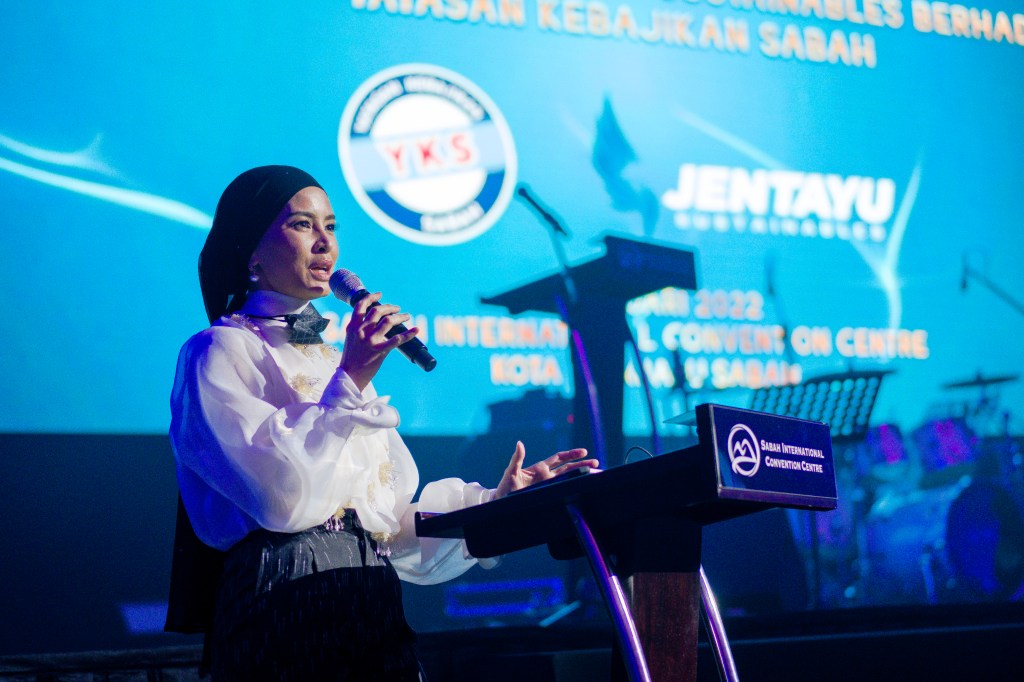
I was once asked to emcee a charity gala in Sabah that turned out to be less formal than I expected. I had prepared for a high-brow, black-tie affair, but when I arrived, the atmosphere was casual, almost festival-like. I quickly ditched my formal script, added some humor, and embraced the laid-back vibe. The result? A fun, engaging event where people felt comfortable, and we raised more funds than anticipated. It was a reminder that flexibility and quick thinking are your best friends when reading the room.
In Summary
Reading the room is one of the most underrated yet vital skills for any speaker, emcee, or trainer. It’s about being present, observant, and adaptable to your audience’s needs in real time. Whether it’s through body language, adjusting your delivery, or engaging with eye contact, understanding the vibe of the room can transform your presentation from good to unforgettable.
Want to sharpen your public speaking or emcee skills and learn how to engage your audience like a pro? I offer coaching sessions designed to help you master reading the room and delivering impactful presentations. Let’s connect and get started!
 Daphne Iking
Leave a comment